


You probably remember the day you first noticed the street signs looked a little fuzzy from the passenger seat. That blurry distance vision often means you have myopia, a condition our team at Total Vision Encinitas regularly helps patients manage. People commonly call this condition nearsightedness.
While myopia doesn’t naturally get better or reverse itself, early myopia management can help slow down the changes in your vision over time.
Key Takeaways
- Myopia changes the shape of your eye over time.
- Your prescription typically stabilizes by age 20.
- Certain eye drops or specialty lenses can help slow vision changes.
- Early visits to the eye doctor provide a clear path for healthy eyesight.
What Is Myopia?
You might notice a fuzzy picture when you try to read a menu across the room. This distance blur happens because an uncorrected nearsighted eye focuses incoming light just in front of the retina instead of directly on it. This physical shift serves as the primary reason for myopia symptoms. Common signs of nearsightedness appear in your daily routines, including:
- Blurry distance vision
- Frequent squinting to see clearly
- Moving closer to the television or whiteboard
The Reality of Nearsightedness Reversal
Myopia, commonly known as nearsightedness, is a structural condition that requires professional management to monitor and protect long-term ocular health. During childhood, a nearsighted eye typically grows slightly too long from front to back. This physical elongation alters how light focuses on the retina, causing distant objects to appear blurry.
Because this change involves the actual physical architecture of the eye, effective myopia management focuses on slowing down this elongation process during key developmental years, rather than trying to reverse or shrink the eye back to its original shape.
The Truth About Natural Vision Correction
Achieving long-term clarity and tracking structural changes relies on clinical care rather than unproven eye exercises. Seeking professional guidance helps keep your vision sharp and reliable for daily activities like driving safely and reading road signs.
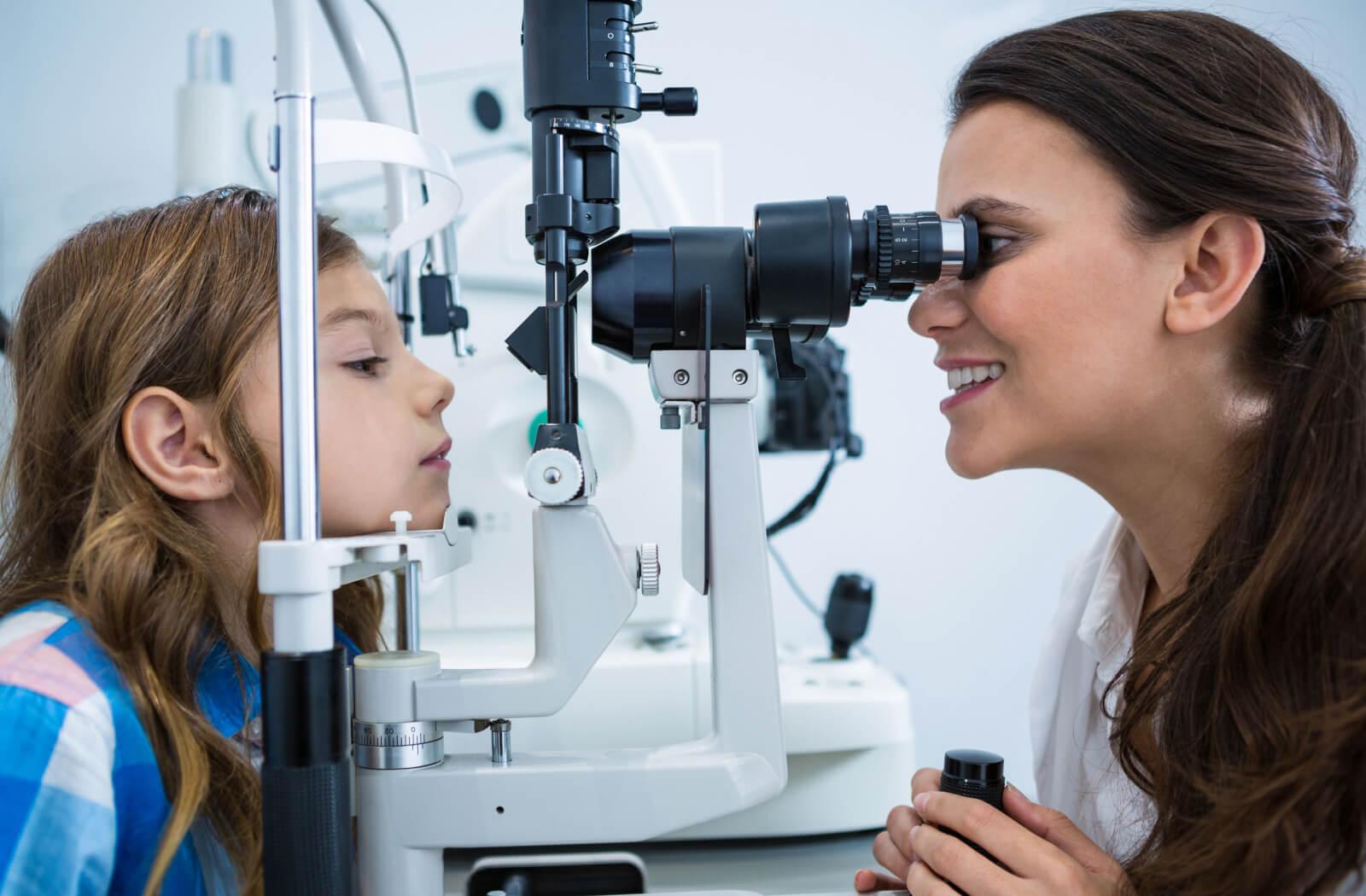
Through routine comprehensive eye exams, optometrists use specialized diagnostic tools to track subtle structural changes and precisely measure the axial length of the eye, keeping your prescription highly accurate while proactively safeguarding your vision.
At What Age Does Myopia Stabilize?
Vision changes often start between the ages of 6 and 14. Your eye growth typically stabilizes by age 20 as your body finishes growing. Once you reach adulthood, your prescription numbers usually stay steady for many years.
Why Early Detection Matters
An earlier onset of nearsightedness often leads to higher prescription numbers in the future. You should visit your eye doctor in Encinitas early to catch these changes quickly. Proactive care helps protect your long-term vision so you can enjoy your favorite hobbies. Your eye doctor can track small shifts in vision, often before they become large hurdles in your daily life.
Why Your Eyesight Might Seem to Improve
Vision changes after age 40 bring new challenges for reading close text. Different eye conditions can create an illusion of improved distance vision. A condition called presbyopia changes how you focus on close objects like a book or your phone screen. Your eye muscles lose flexibility over time and shift how light lands inside your eye.
Other Age-Related Vision Changes
You might suddenly feel less nearsighted for a short period as the decades pass. This temporary shift happens because hardened eye lenses alter how light focuses onto your retina. Early cataract development sometimes creates this illusion before fading as the condition progresses over the months. Our team carefully monitors your eye health to separate temporary changes from real vision shifts.
Myopia Management Options
Modern control methods help slow down rapid vision changes for growing children. This proactive approach supports healthy vision for years to come. You can ask our team about specific treatment plans tailored to your family.
Specialty Contact Lenses and Glasses
You can wake up with clear vision for the entire day without wearing contacts to school or work. Overnight lenses, like orthokeratology (ortho-k), gently reshape your eyes while you sleep to make this possible.
Multifocal contacts also help slow prescription changes by adjusting how light hits different parts of your eye. Special glasses and protective frames support comfortable vision during daily tasks like reading and computer work.
Prescription Eye Drops
You can manage vision changes with a simple routine of one drop per day before bedtime. Low-dose atropine eye drops relax the focus mechanisms inside your eye. This daily habit helps keep your child’s vision on track throughout the school year. Your eye doctor closely monitors progress to adjust the treatment plan as needed.
Prioritize Your Vision
Protecting your family from rapid vision changes starts with a proactive plan. Our caring team at Total Vision Encinitas offers modern technology in a warm environment to map out your eye health. Schedule an eye exam today to explore management options for clear and comfortable vision.